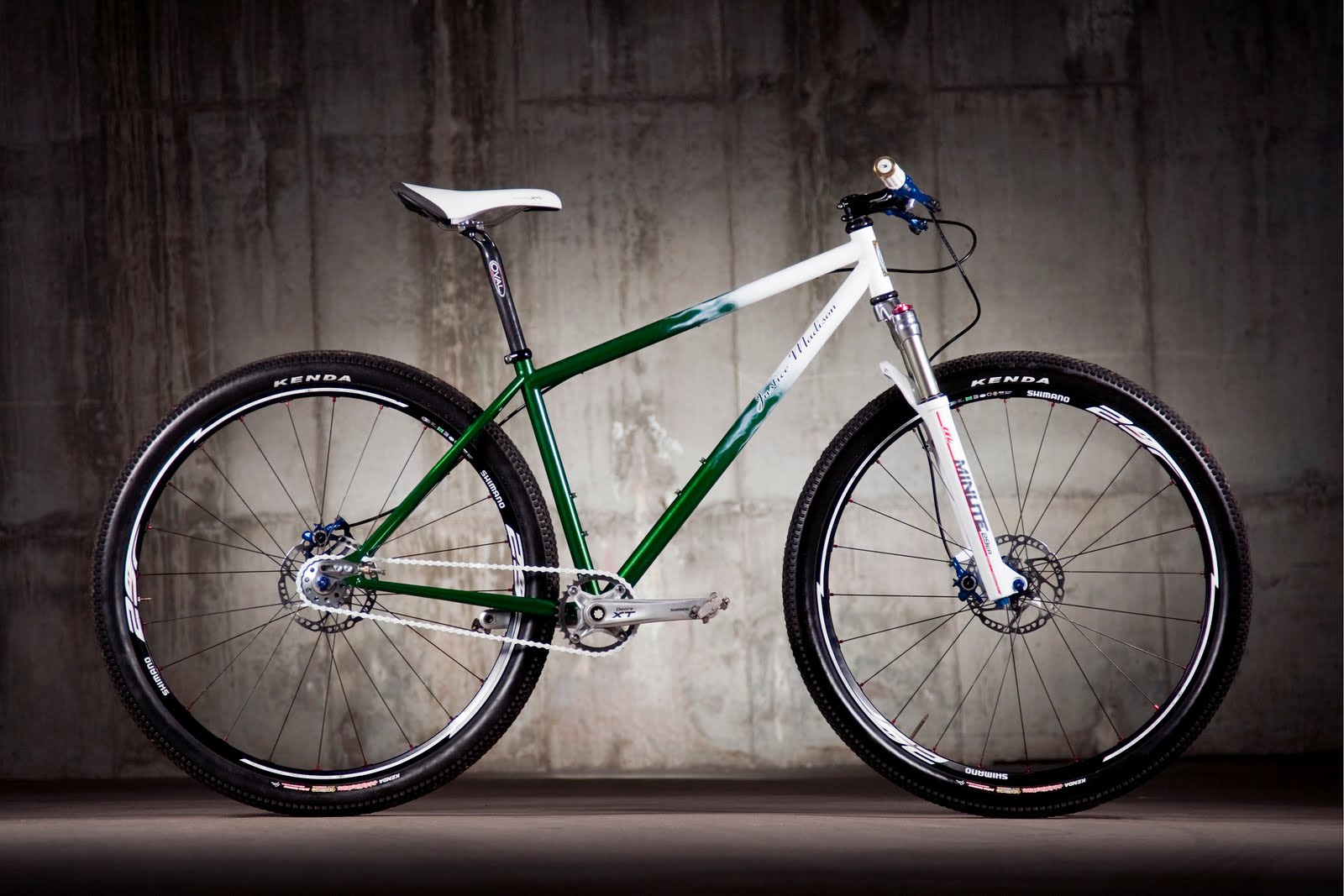
Én úgy tudom, hogy ennek a Cervelo az atyja. Õk úgy magyarázzák, hogy a hagyományos vázaknál hiába rövidebb a felsõcsõ, ha az egyre kisebb vázaknál egyre meredekebb a szög, mivel ilyenkor a nyeregnek is hátrébb kell kerülnie és tulajdonképpen a nyereg és kormány közti távolság alig változik.
Na, ez egy magyarázat kezdete, bár persze nehezen fér össze a klasszikussal:
Általános kerékpárváz alaktan ? tech ? Bikemag, de nézzük tovább.
In our philosophy the range of frame sizes should be spread over the range of cockpit lengths that are needed. As people's torsos get shorter, so should the cockpit length. [...] So what we do is we keep the seattube angle constant, and shorten the toptube consistently (not equally given the distribution of people riding the bike, but consistently) as we shrink the sizes. You could achieve the same decrease of cockpit length by shortening the toptube, steepening the seattube and then shortening the toptube an extra bit to compensate for that, but that's just a different way to achieve the same thing.
Ezt elvileg értem, de modellezni kéne, hogy a kis és nagy drótemberke hogy teker kis és nagy biciklin, a klasszikus és ezen elv szerint.
So even though it looks like the changes between the sizes are consistent if you look only at the toptube lengths, the change is virtually non-existent between the smaller sizes. And the reverse effect occurs at the bigger sizes (size 59-61-63).
Ezt nem értem, ki kéne számolni (szerintem kissé rizsa).
Aside from the problem with cockpit length, there is another reason not to slacken the seattube angle. Bigger size frames already put the saddle further behind the bb if the seattube angle is constant (simply because the seattube points rearwards and hence the higher you go along that line the further back the seat goes). Slackening the seattube angle adds another setback onto that already increased setback, thereby decreasing the hip angle of the rider to a point where power delivery is no longer optimal, or forcing the rider to raise his bars to keep the hip angle open, which would have negative aerodynamic implications with no advantage to show for it (compared to the same hip angle on a bike without the double increase in seat setback
Ezzel az a bajom, hogy egy „kvantitatív” tényt, hogy mennyi a nyereg-kormány távolság, pont úgy misztifikál, mint amibõl (ami „ellen”) kiindult. Nem mindegy-e, hogy mibõl adódik a nyereg hátrébb kerülése (nagy méreteknél), hisz a lényeg csak az, hogy a felsõcsõ-hossz annak megfelelõen változzon (azaz, ha a klasszikus esetben túl hátra kerülne, a klasszikus tervezõ kicsit rövidíthetne a hosszú felsõcsövön). No meg mi is az „optimális” csípõszög?
Igazibb választ mondjuk szimuláció adna, drótemberkével, végülis továbbra sem értem egészen.
Grafitember szerint (ld. fentebb idézett cikke) e hókuszpókuszban esetleg más szempontok is szerepet játszanak, egyszerûbb öntõformák, könnyebb csomagolás a hosszú hajóútra (azaz az optimális tervezéstõl idegen gazdasági megfontolások), így esetleg ezekhez is alkalmazták a Cervelo-féle okoskodást (mármint, hogy az okoskodás született ezek leplezésére).
Érdekes lenne más iskola (
Yasec?) illetve tapasztalt boltosok avagy bicikli-méretezõk véleménye is.